
See Mike Dunn 3-Point Shootout Game
Role: Design and Development
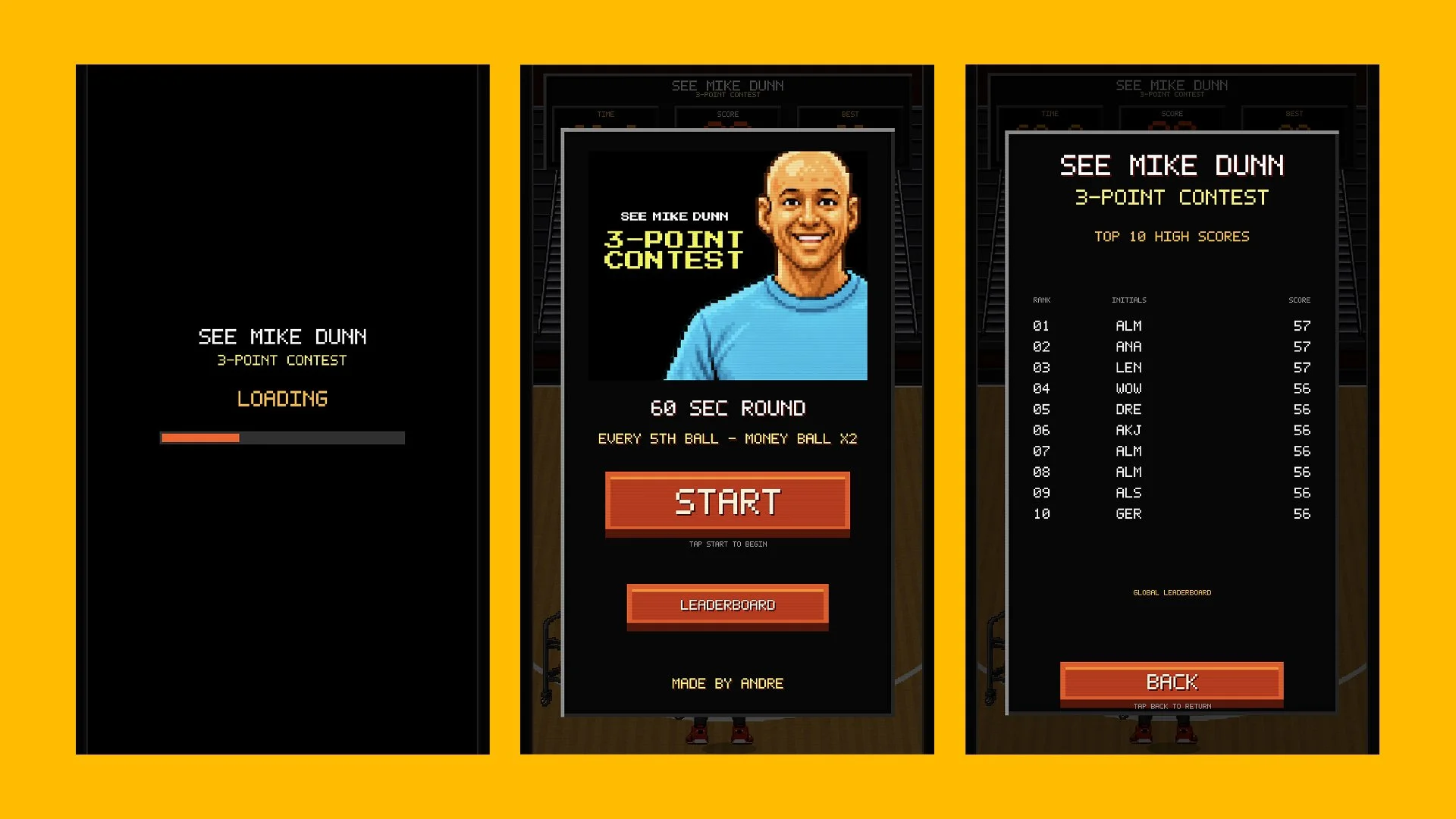
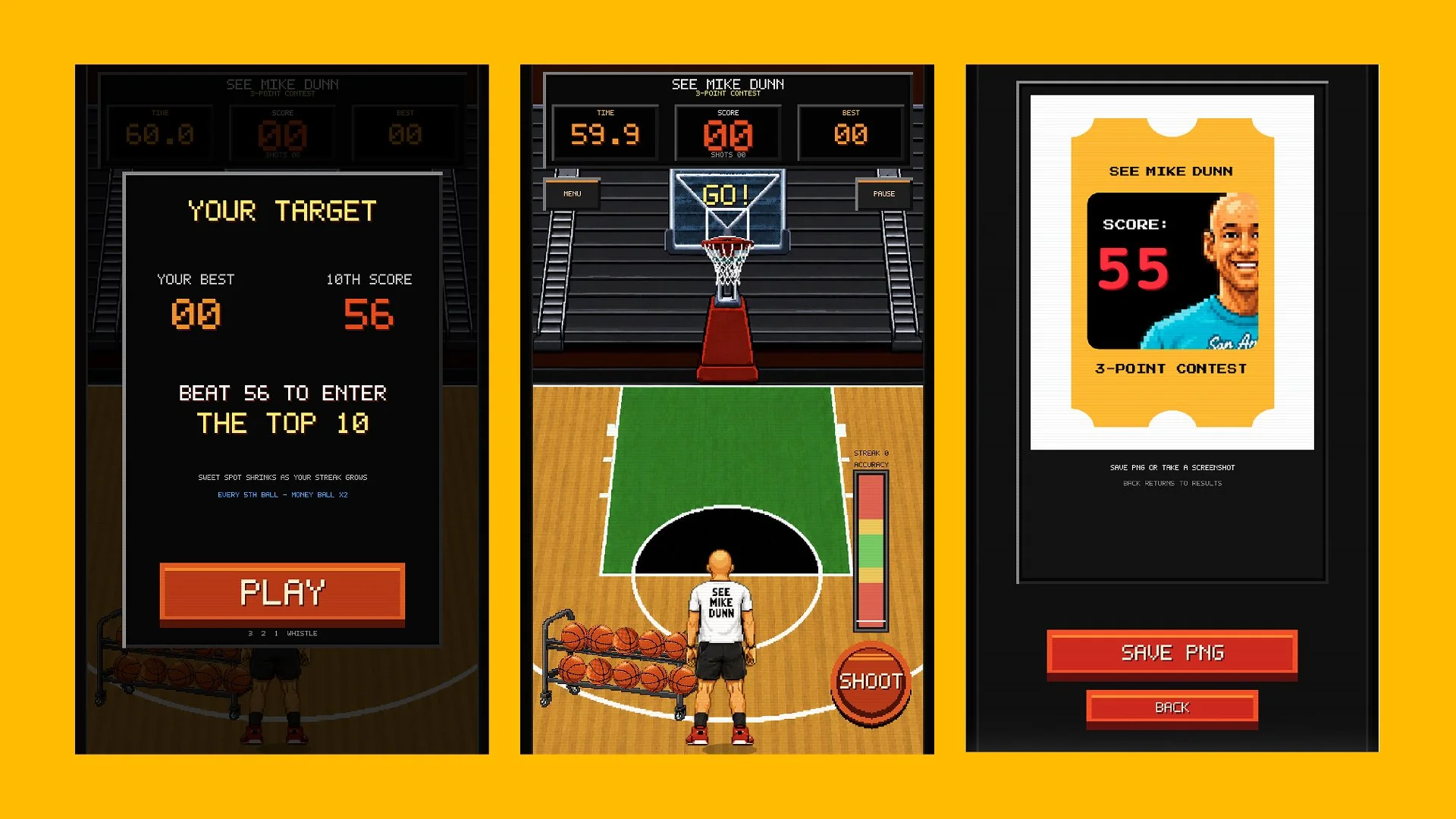
The idea: Growing up, titles like NBA Jam, Sonic the Hedgehog, and Streets of Rage were constant favorites — the music, the simple button controls, and the "pick up and play" feel of those games left a lasting impression. I wanted to recreate that same feeling: something fast, fun, and immediately accessible, built entirely from a genuine appreciation for the era rather than any formal background in game design.
The concept came together late one night: build a simple, arcade-style basketball game. From the start, I knew I wanted to avoid two common pitfalls — copyright issues, and the time sink of trying to build a believable jump shot model from reference footage I didn't have rights to.
That's when I thought of my childhood friend, @SeeMikeDunn, a basketball shooting coach known worldwide for his philosophy of "making shooting simple." Mike is always up for anything fun, and when I pitched the idea, he was immediately on board.
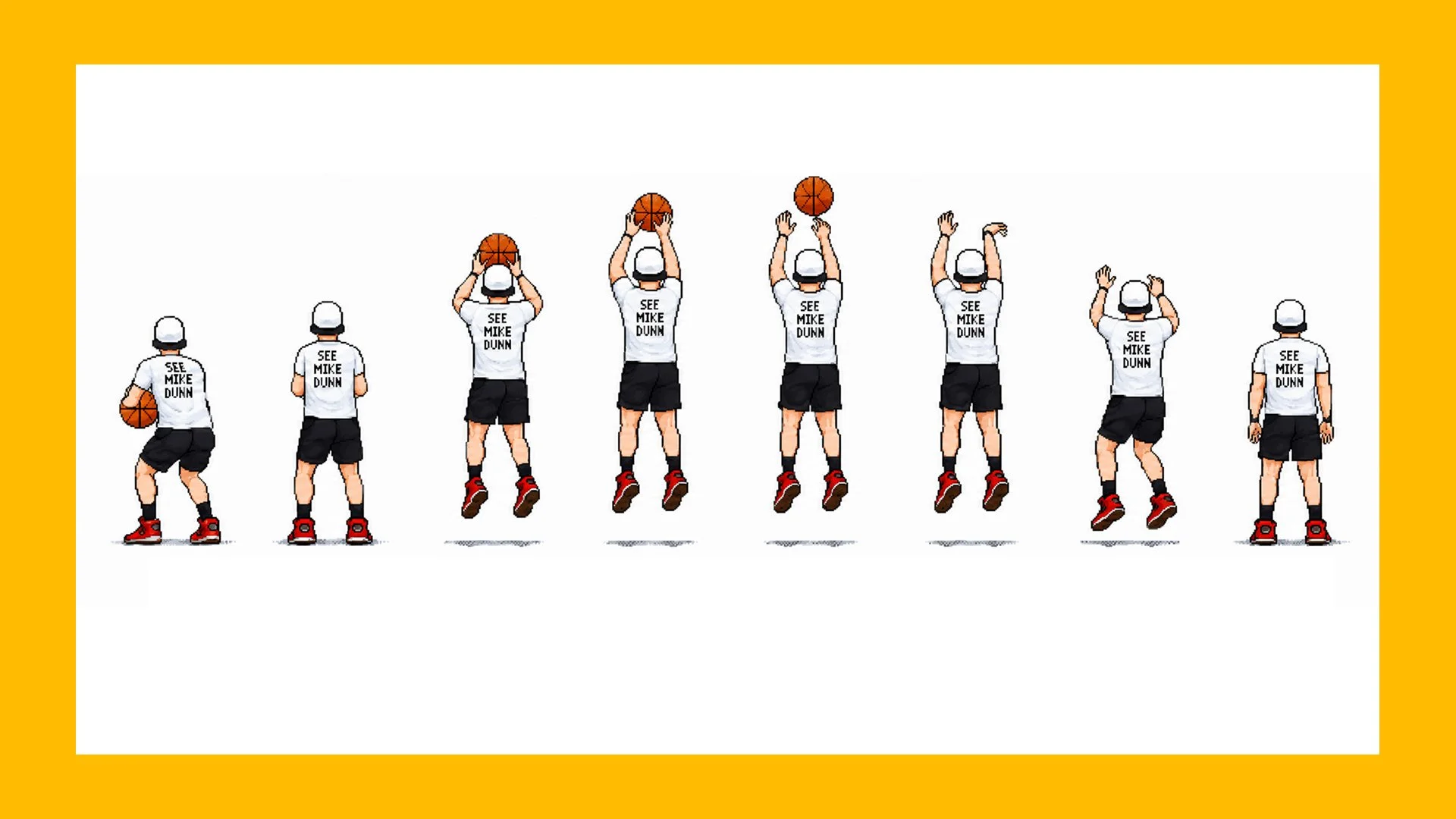
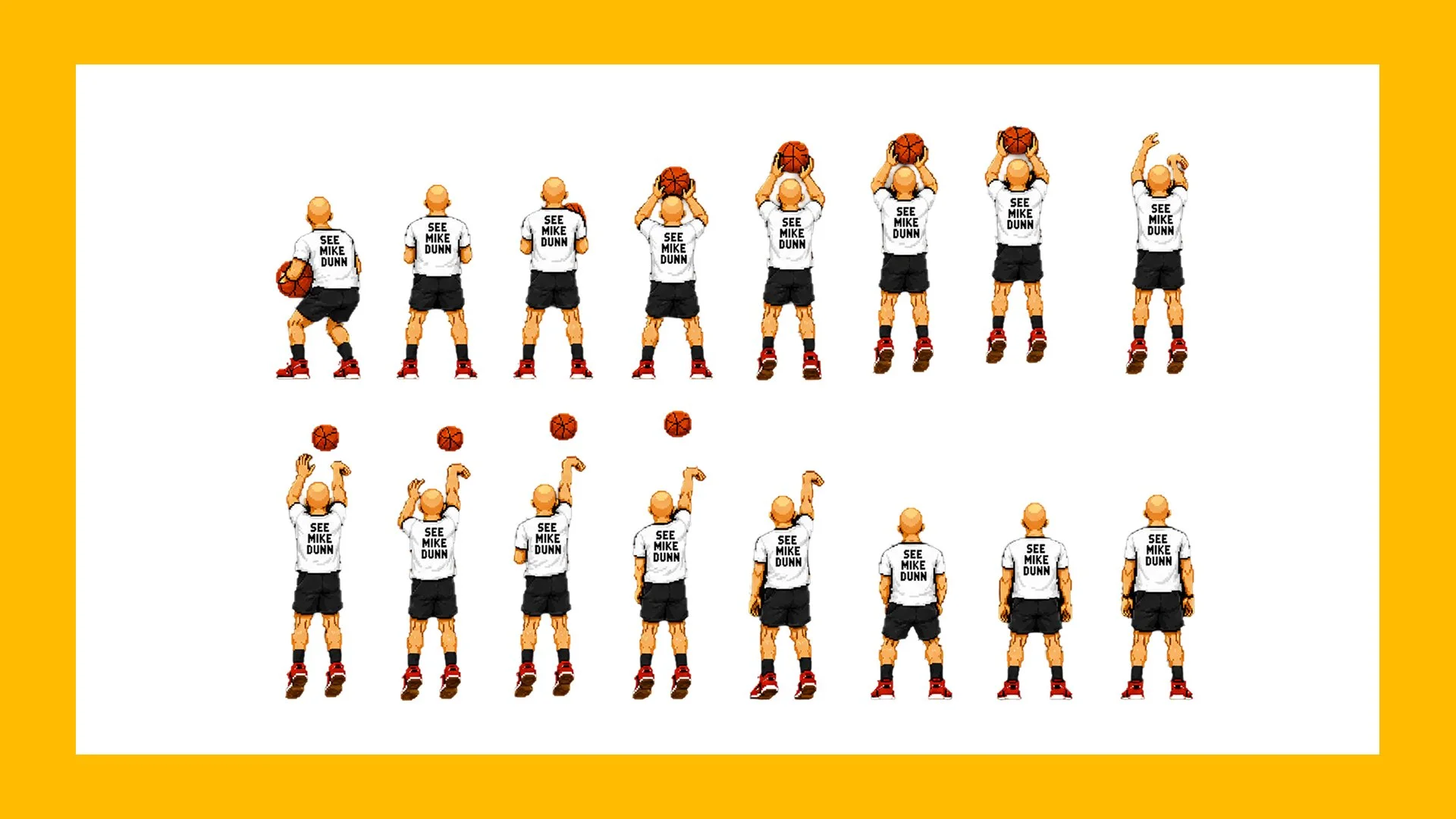
Frame by Frame: I pulled several clips from Mike's YouTube channel, specifically footage of his shot filmed from behind, and broke it down into the moments that actually mattered for the animation:
Grabbing the ball off the rack
Bending his knees to load the jump
Releasing the ball at the highest point of the jump
The natural follow-through after release
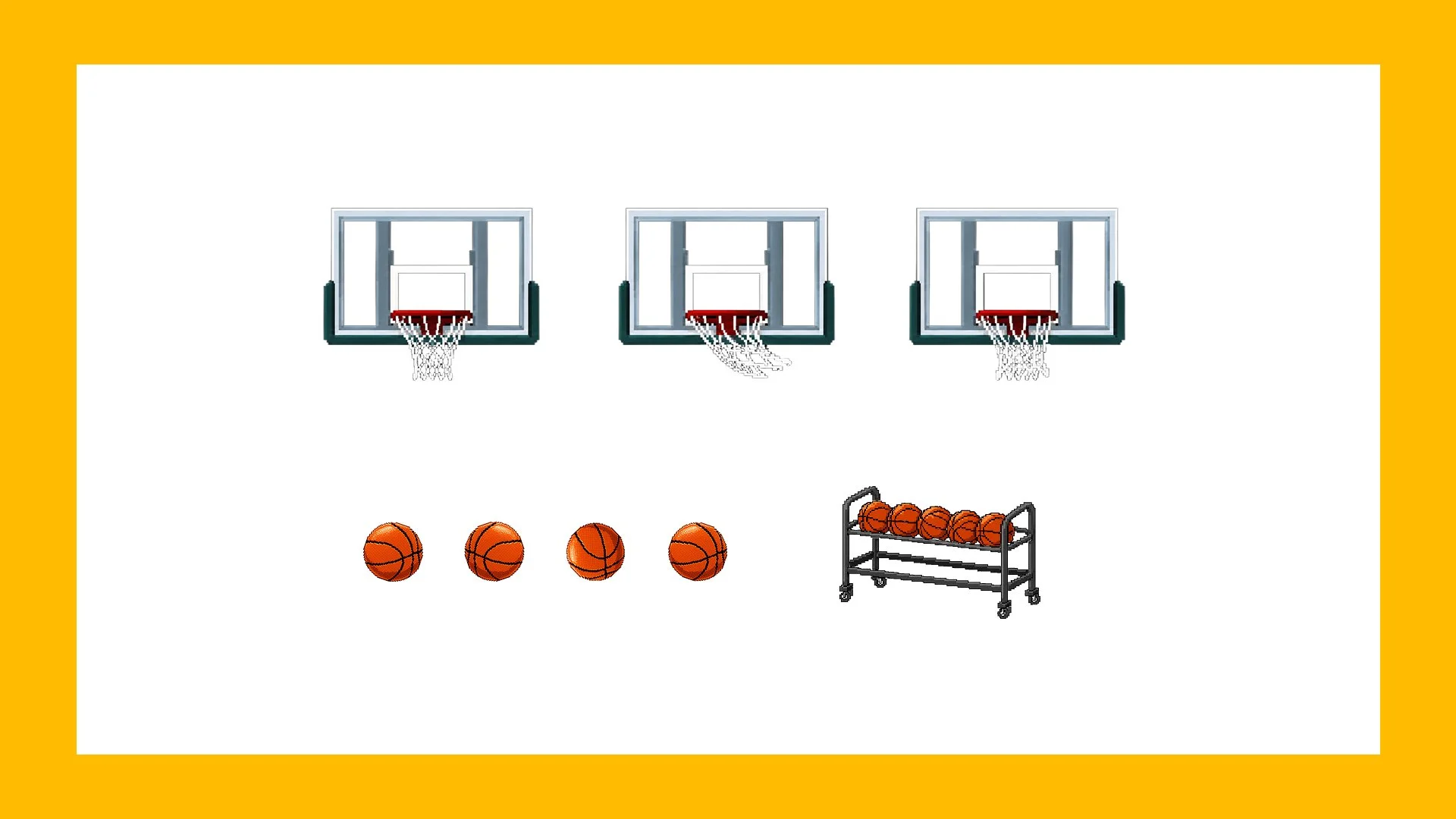
From there, I isolated the key frames and rebuilt them as sprite-style graphics in Photoshop, applying a pixel-art effect to match the 16-bit aesthetic I was going for.
Getting the shot animation on screen was only part of the challenge. I also had to:
Animate the ball's rotation frame by frame as it left his fingers and traveled toward the hoop, so the spin felt natural rather than static
Animate the rim itself frame by frame, with distinct behavior depending on whether the shot was a make or a miss — including the swish effect on a clean make
None of this came together on the first attempt. It took several rounds of refining my prompts and iterating with Claude before the animations felt functional and smooth, but eventually the sequence — grab, load, release, ball rotation, rim reaction — clicked into place as one cohesive shot.
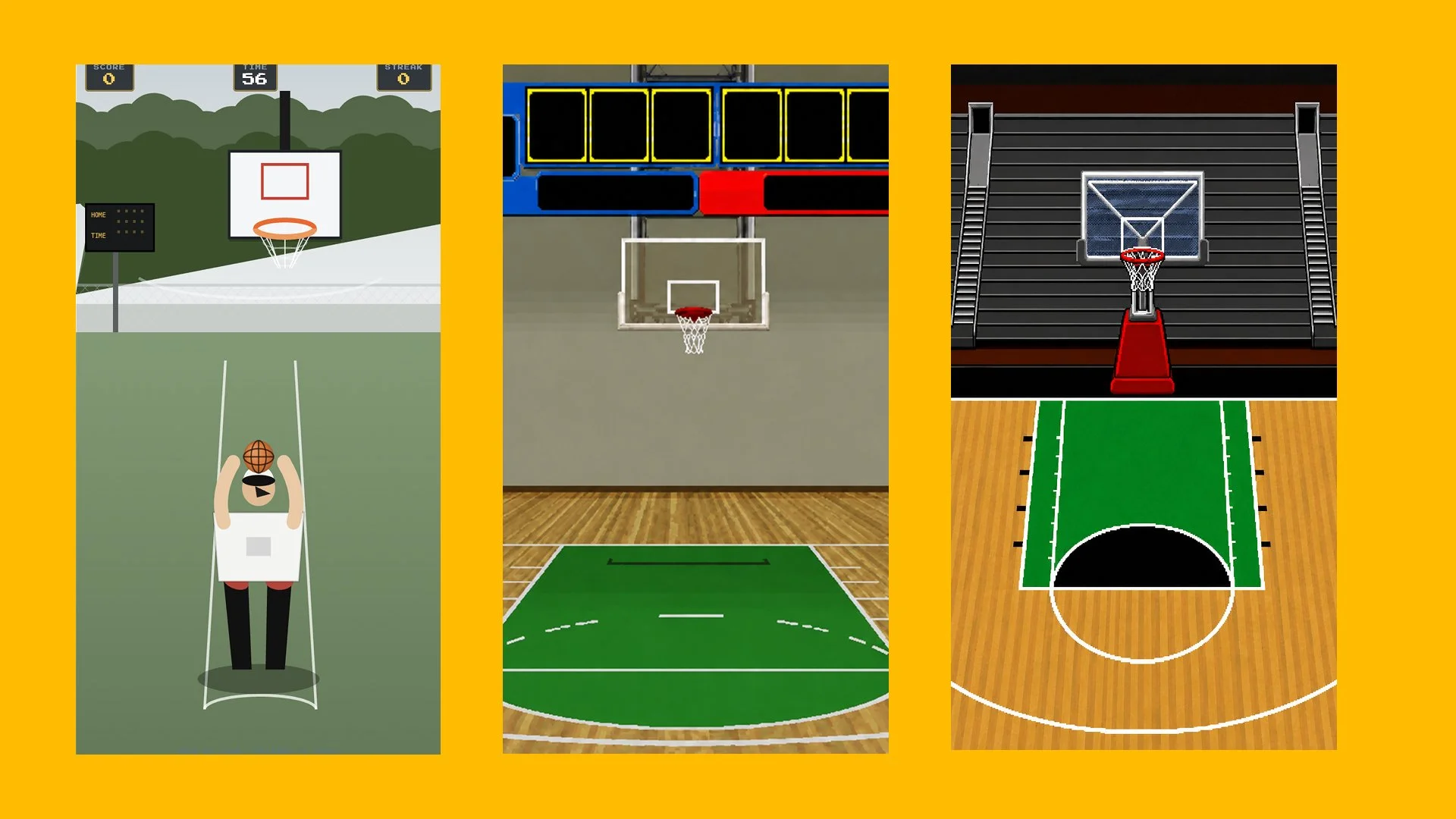
Once the core gameplay loop was working, the next obvious step was competition — and a game like this needed a leaderboard. I researched free platforms capable of hosting score data and pinging it back to the game in real time, then worked through the integration. It took a fair amount of additional coding to wire up correctly, but it rounded the project out into something that felt like a complete, shareable experience.
This project confirmed something I didn't fully expect going in: with a beginner-level understanding of game design fundamentals and the right tools, it's genuinely possible to build a functional, good-looking game from the ground up